
Street Food Tours, Cooking Classes, Night Markets, and Must-Try Dishes
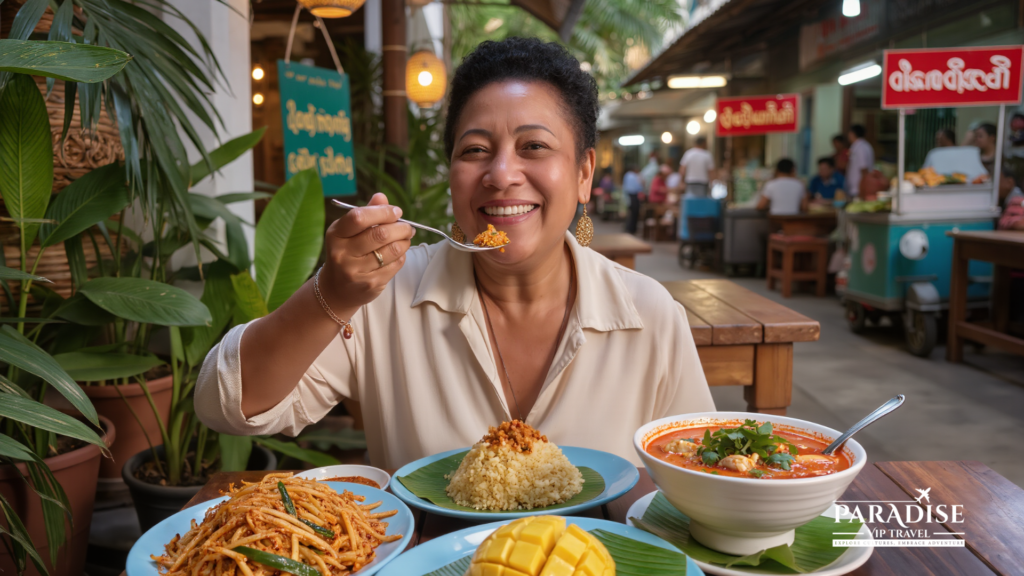
Thailand isn’t just a destination — it’s a flavor explosion. For food lovers, this Southeast Asian gem offers one of the most exciting culinary scenes in the world, where every street corner, market stall, and seaside café tells a story through taste.
From sizzling street food and vibrant night markets to hands-on cooking classes and refined dining, Thai cuisine blends sweet, sour, salty, spicy, and savory in ways that keep travelers coming back for more.
If you believe food is the heart of culture, Thailand will capture yours — one unforgettable bite at a time.
Why Thailand Is a Dream Destination for Food Lovers
Thai food is globally beloved, but nothing compares to tasting it in its homeland. Ingredients are fresher, flavors are deeper, and dishes are prepared using traditional techniques passed down through generations.
What Makes Thai Cuisine So Special?
- Perfect balance of bold flavors
- Fresh herbs like lemongrass, Thai basil, and kaffir lime
- A mix of textures — crunchy, creamy, tender
- Regional diversity across the country
- Affordable yet high-quality meals everywhere
Eating in Thailand isn’t just about nourishment — it’s a social experience, a cultural ritual, and often a full sensory adventure.
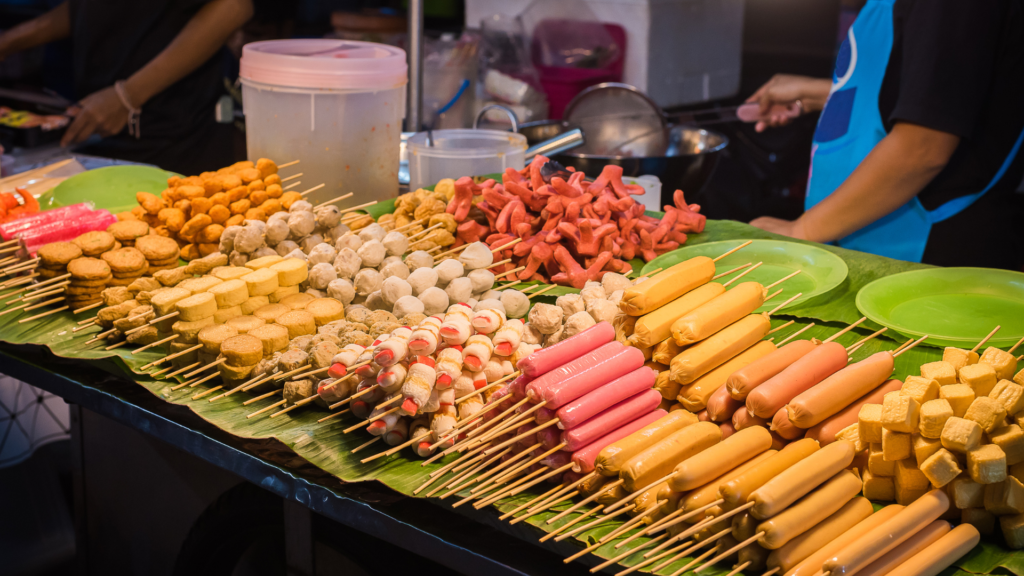
Street food is the heartbeat of Thailand’s culinary culture. Locals eat it daily, and many of the country’s most delicious dishes are found on sidewalks rather than in restaurants.
Guided street food tours — especially in Bangkok — help you discover hidden gems you might otherwise miss.
Must-Try Street Foods
Pad Thai — Stir-fried rice noodles with shrimp or chicken, eggs, peanuts, and lime
Som Tam — Spicy green papaya salad with a tangy kick
Moo Ping — Grilled marinated pork skewers
Boat Noodles — Rich, savory broth with herbs and meat
Khao Moo Daeng — Barbecue pork served over rice
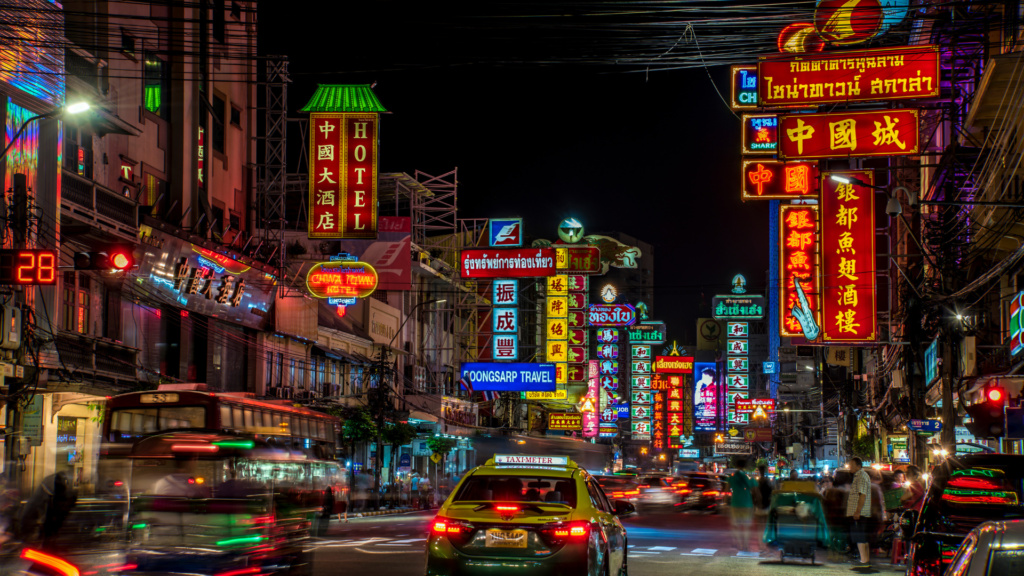
Bangkok’s Chinatown (Yaowarat Road) is particularly famous for its incredible night-time food scene.
Thai Cooking Classes: Bring the Flavors Home
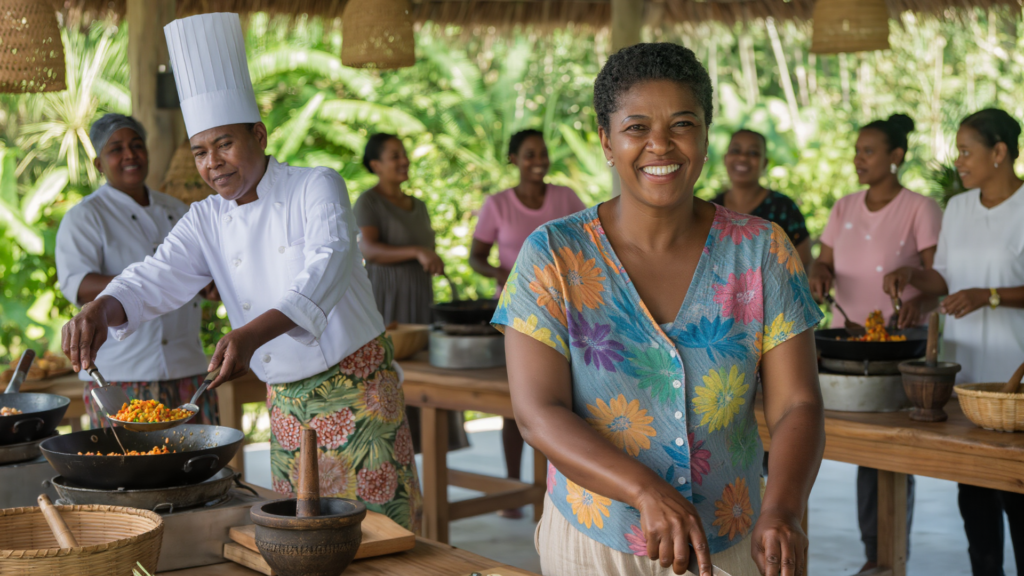
One of the most memorable experiences in Thailand is learning to cook authentic dishes yourself. Cooking classes typically begin with a market visit to select fresh ingredients before heading to the kitchen.
What You’ll Learn to Make
- Thai curry pastes from scratch
- Tom Yum soup
- Pad Thai
- Green or Massaman curry
- Mango sticky rice
Instructors explain how to balance flavors — the secret to Thai cooking — so you can recreate dishes at home.
This experience offers deeper cultural insight than simply dining out and is perfect for travelers who want an immersive activity.
Night Markets: A Feast for All the Senses
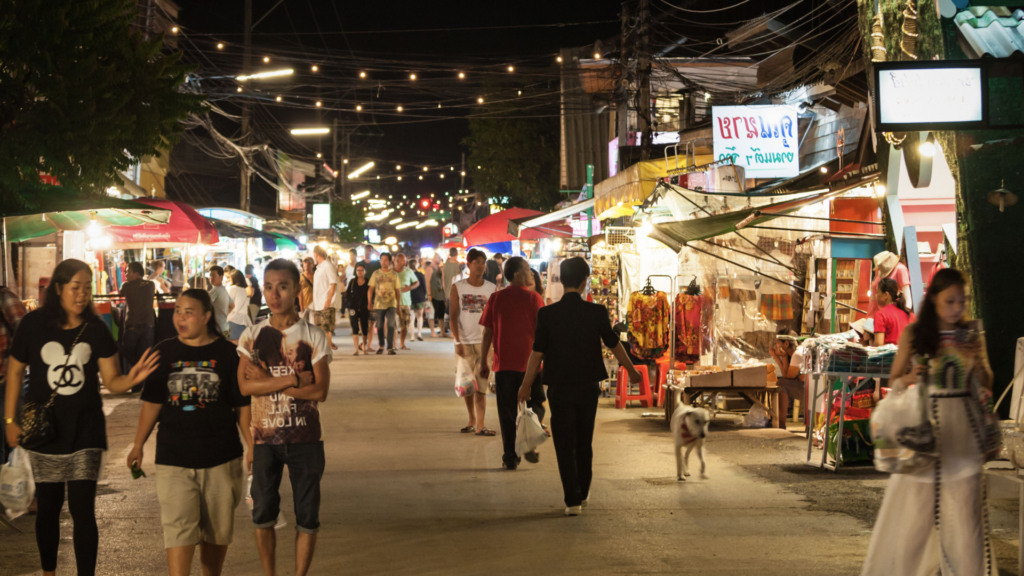
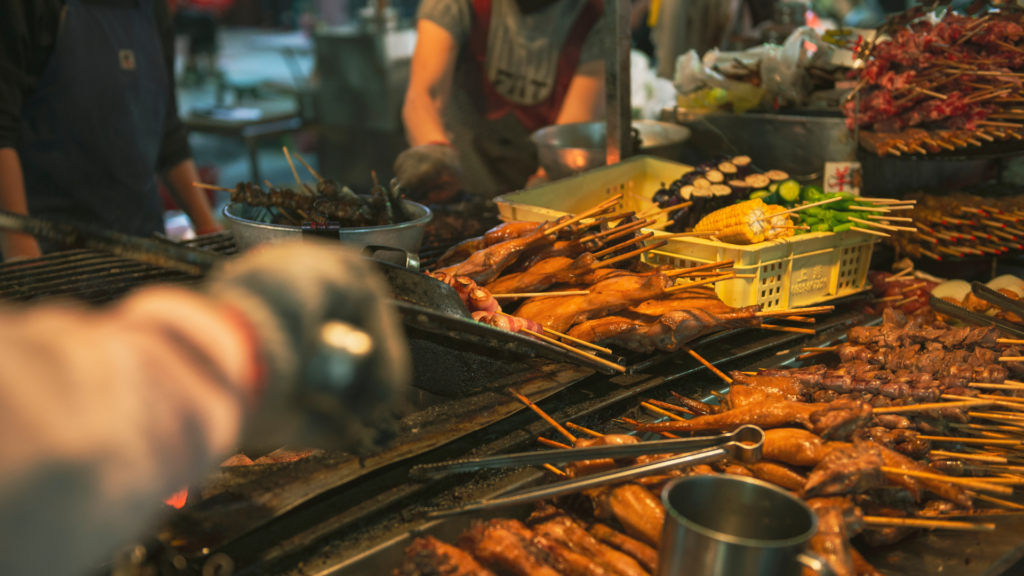
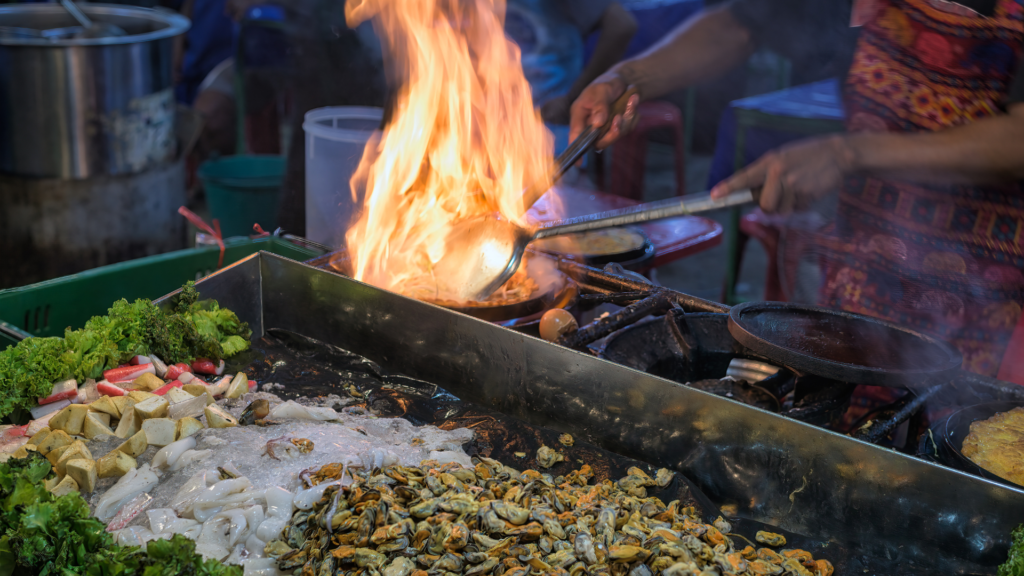
Thailand’s night markets are lively open-air festivals of food, shopping, and entertainment. Rows of stalls offer everything from sizzling seafood to tropical desserts, often accompanied by live music.
Popular Night Markets to Explore
- Bangkok’s Rot Fai (Train) Night Market
- Chiang Mai Night Bazaar
- Phuket Weekend Market
- Local markets in nearly every town
Market Favorites You Shouldn’t Miss
Grilled river prawns
Thai omelets over rice
Coconut ice cream
Banana roti with condensed milk
Fresh fruit smoothies
Night markets are also ideal for adventurous eaters who want to sample many dishes in one evening.
Must-Try Thai Dishes Every Food Lover Should Experience
No culinary journey through Thailand is complete without tasting its iconic national dishes.
Savory Favorites
Tom Yum Goong — Hot and sour shrimp soup bursting with herbs
Green Curry (Gaeng Keow Wan) — Creamy, spicy coconut curry
Massaman Curry — Mild, rich curry with Indian influences
Khao Pad — Thai fried rice, simple yet flavorful
Pad Kra Pao — Stir-fried basil with minced meat and chili
Sweet Treats
Mango Sticky Rice — Coconut-soaked rice with ripe mango
Thai Coconut Pancakes (Khanom Krok) — Crispy outside, creamy inside
Tub Tim Krob — Crunchy water chestnuts in coconut milk
Thai desserts tend to be less sugary than Western sweets, focusing on coconut, fruit, and natural flavors.
Regional Flavors Across Thailand
Thai cuisine varies by region, offering unique specialties wherever you travel.
- Central Thailand (Bangkok): Balanced flavors, classic dishes
- Northern Thailand (Chiang Mai): Mild, herb-rich cuisine like Khao Soi
- Southern Thailand: Spicy seafood dishes and coconut curries
- Northeastern Thailand (Isan): Bold, fiery flavors and grilled meats
Exploring regional food is like tasting multiple countries within one destination.
Tips for Eating Like a Local in Thailand
To make the most of your culinary adventure:
- Follow the crowds — busy stalls usually mean great food
- Don’t fear plastic stools and simple setups
- Carry cash for street vendors
- Ask for spice levels if you’re sensitive to heat
- Stay hydrated in the tropical climate
Most importantly, be adventurous. Some of the best dishes are the ones you’ve never heard of.
Final Thoughts: A Destination That Feeds the Soul
Thailand offers more than delicious meals — it offers connection, culture, and unforgettable experiences through food. Every dish reflects the country’s traditions, geography, and way of life.
For travelers who plan their itineraries around what to eat next, Thailand is nothing short of paradise.
From bustling street stalls to elegant beachfront dining, your taste buds will embark on a journey just as exciting as your travels.
